
Payroll management can fall under the umbrella of human resources, get outsourced to a third party or be managed by a company’s finance department. Small businesses may keep payroll duties in-house and assign them to a bookkeeper for budget reasons. In this scenario, you could expect to calculate unearned revenue employee salaries, deduct taxes and withholdings and ensure employees get paid on time. A bookkeeper records and manages all financial transactions, ensuring that financial records are accurate and up-to-date. It links bookkeeping and accounting, simplifying tasks like generating statements, analyzing finances, and doing taxes.
Tips for Starting a Career in Bookkeeping
You will check bank deposits for fraud, fix balance sheet errors, and what is a bookkeeper maintain accurate payroll records. It can also help you transition from a bookkeeper to an accountant or business-oriented role. In Mesopotamia, around 7,000 years ago, bookkeepers recorded financial data on clay tablets, while Babylonians used styli to record data on small clay slabs around 2600 BC.
What is bookkeeping?
A seasoned small business and technology writer and educator with more than 20 years of experience, Shweta excels in demystifying complex tech tools and concepts for small businesses. Her postgraduate degree in computer management fuels her comprehensive analysis and exploration of tech topics. Due to the importance of bookkeeping, a special type of employee is hired to do the work. The responsibility of documenting and monitoring these important transactions goes to a company’s bookkeeper. The task of manual data entry can often be bypassed by linking of all of your business systems. This means that the information flows straight to your sales to your bank account and to your expense accounts via receipt scanners.
Introduction to bookkeeping
The skills you gain on the job and through credentials can also position you to move into bookkeeping supervisory roles or junior accountant roles. If you are working toward your bachelor’s degree in accounting, some employers may be willing to offer you an accounting job once you earn your degree. Bookkeepers pursuing professional certification can earn more money and take on additional responsibilities. The AIPB reports that 54% of its certified bookkeepers got a new job promotion or higher-level responsibilities after earning their credentials.
- Corporations may hire comparatively well-educated bookkeepers, especially if they provide additional niche knowledge compared to general accounting software.
- They tell us about a company’s profits, money flow, and general financial shape.
- Bookkeeping can be difficult as it requires time management, logic, and accounting skills.
- Clean, accurate accounts not only give business leaders a current financial snapshot of the business, but also help them measure its financial health.
- Intuit accepts no responsibility for the accuracy, legality, or content on these sites.
Can I afford to outsource bookkeeping?

Remember that salaries Debt to Asset Ratio can vary depending on experience, education, location, and industry. Bookkeepers with more experience and education or who work in high-paying industries can earn significantly more. Businesses usually need both a bookkeeper and an accountant, but the timing and level of involvement depend on the complexity of the financial situation. In the meantime, though, here’s a quick summary to help you figure out which kind of bookkeeping is right for you, from the lowest maintenance to the most resource-intensive. If there’s a discrepancy between the books and your bank, your bookkeeper will help you get to the bottom of it.

Should I do my own bookkeeping? 3 questions to ask yourself first
Accounting goes a step further by analyzing these records to prepare financial reports and guide strategic planning. If you are seeking to turn your love for numbers into a rewarding career, it’s time to take the path of Bookkeeping. From tracking daily transactions to preparing vital financial reports, Bookkeepers are the heroes keeping businesses on track. It’s about leveraging modern tech and financial insight to power businesses forward like never before.
- 3) A degree-holder can pursue an accounting Certification for career advancement.
- Having the ability to prepare an accurate financial picture of an enterprise and keep records organized is essential for being a bookkeeper.
- There is no guarantee your business will be approved for credit or that upon approval your business will qualify for the advertised rates, fees, or terms shown.
- Whilst it’s not always necessary to have a degree, some companies will look for candidates with coursework in accounting.
- Bookkeepers play an integral role in maintaining a business’s financial integrity.
- Bookkeepers use organized data to create financial reports like income statements and balance sheets—usually monthly or quarterly.
These services include recording what money comes into and flows from the business, such as customer and vendor payments. While bookkeepers used to keep track of this information in physical books, much of the process is now done on digital software. In single-entry bookkeeping, each transaction will have only one entry in your cash book or ledger, maintained daily or weekly, to track revenue and expenses. It best suits small businesses, startups, and solopreneurs with minimal inventory, assets, and business transactions. Single bookkeeping doesn’t require bookkeepers to have a formal training or degree.
Stay updated with the Sage Expense Management newsletter
Whether you’re a small business owner or part of a larger company, investing in professional bookkeeping services is the smartest move. They track daily finances, manage records, assist with payroll, and support smart business growth. Bookkeeping is a process that tracks and records business-related financial transactions.
- Bookkeepers can become certified with national organizations such as the National Association of Certified Bookkeepers (NACPB) of the US.
- However, this method provides a limited financial overview and may not be suitable for businesses with high transaction volumes.
- They offer strategic financial advice, helping businesses make informed decisions based on their financial status.
- A bookkeeper is responsible for maintaining and recording financial transactions for a business or organization.
- Bookkeeping is systematically recording a business’s financial transactions from start to finish.
Managing Day-to-Day Activities In Business Accounts
Bookkeepers help businesses manage their finances by monitoring different accounts, transactions, and reports. They collect, organize, and store the business’s financial records, including reconciliation, income, and cash flow statements. A bookkeeper also ensures that all financial records—such as receipts, invoices, and bank statements—are properly stored and categorized. Well-organized records streamline the accounting process and make it easier to retrieve information during audits or tax season. Maintaining a structured document system prevents the risk of misplaced financial data, reducing errors and improving accuracy. A bookkeeper’s role includes logging sales, managing receipts, and updating financial records.
- They also employ tools like a thesaurus of financial terms to enhance clarity and consistency in documentation.
- Being certified can put potential employers at ease as they’re confident you have the necessary skills and knowledge for the position.
- It may even reveal annual cycles that can help you plan financially—like holding onto cash from your busy season to help you make it through the slower months.
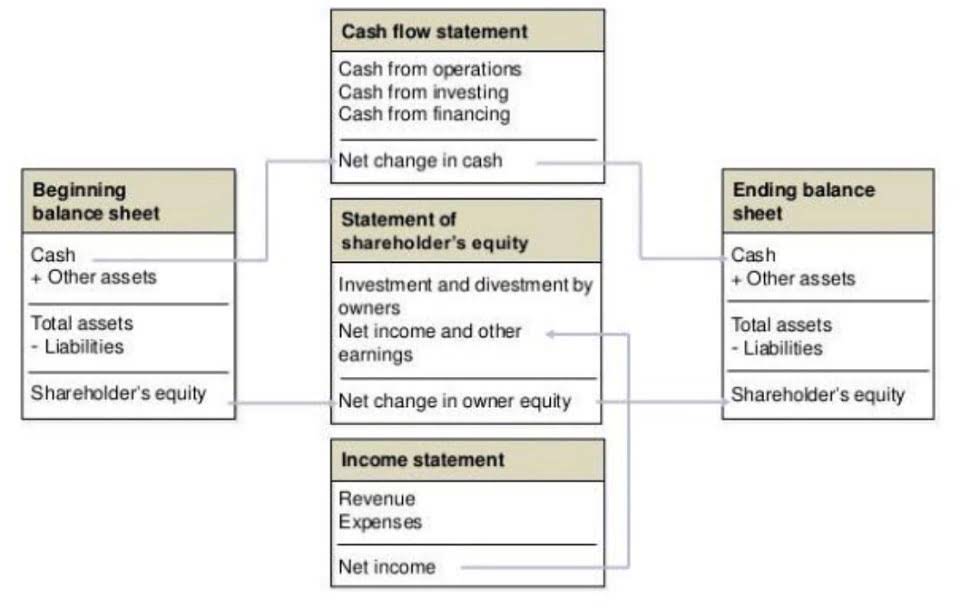
- Accounting builds on the information provided by bookkeeping, using it to analyze costs, assess a business’s financial health and make financial forecasts.
- Additionally, understanding new regulations and compliance requirements is crucial for maintaining the integrity of financial records and avoiding legal issues.
Build Practical Experience
For small business owners, this insight is important to making smart financial choices and setting the stage for future success. The expected job decline is primarily due to cloud computing and other software innovations automating bookkeeping tasks that a person would normally do. Specializing in a career field can help to set you apart and lead to career stability and longevity. You can also expect to take on more advisory and analytical roles as bookkeeping becomes more automated. Once you are armed with qualifications, experience and certifications, you’re ready to apply for Bookkeeping roles. Start with entry-level positions and work your way up to more senior roles.